
Menu

One assurance stack for autonomous systems. Define the boundaries, enforce them in real time, prove performance afterwards.


Safety, mission and regulatory requirements translated into machine-enforceable policy.

Monitors autonomous systems continuously and intervenes before constraints are violated.


Assurance intelligence that turns operational data into certification evidence.


Real-time safety monitoring that acts in unsafe situations
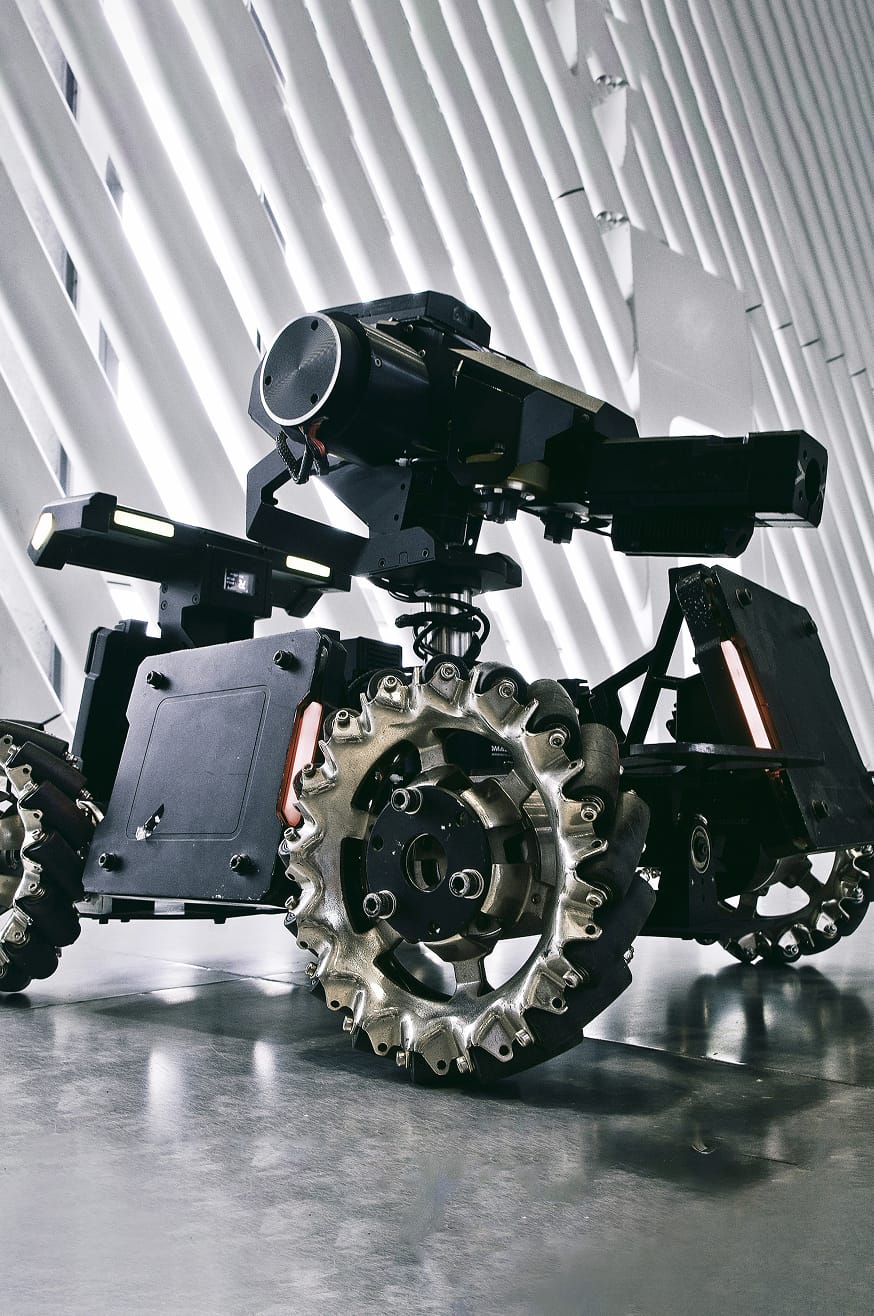
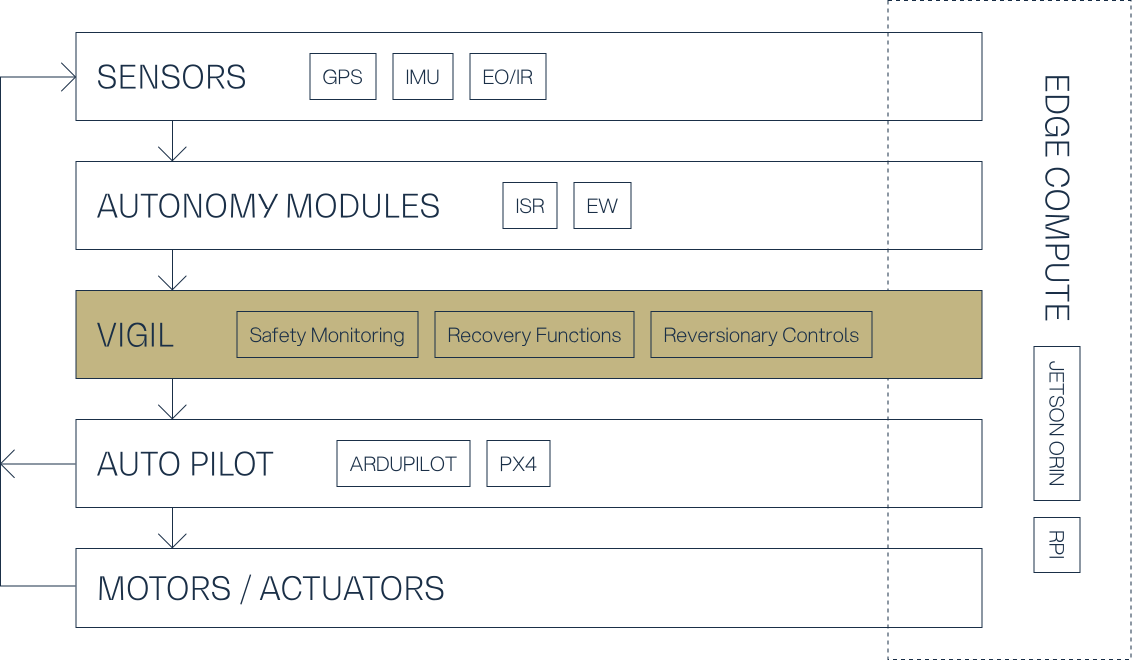
VIGIL runs on-platform, at the edge. It monitors the autonomous system continuously against the constraints defined in ANVIL, predicts when those constraints are about to be violated, and intervenes before they are.
Once the intervention is complete, control is handed back to the parent system.
It works whether the underlying AI is deterministic or not. It works when behavior becomes unreliable, unpredictable, or unsafe. It works without communication or data links.
VIGIL also works on human-controlled systems.
Assurance policy engineering. Human intent, translated into machine-enforceable rules.
ANVIL is where safety requirements, mission constraints, and regulatory obligations become policy an autonomous system can act on.
Those policies define the system’s operational boundaries and determine what happens when a boundary is approached or risks being crossed.
Policies are configurable, reusable, and independent of the underlying autonomous system, the same safety standards apply consistently across platforms, missions, and domains.
Pre-developed modules for your specific stack, operating domain, and region are available for fast integration.
We’re building machine-assisted translation of human-readable rules and regulations into formally defined, verifiable policy. A direct path from written intent to runtime enforcement.
Assurance intelligence for autonomous operations
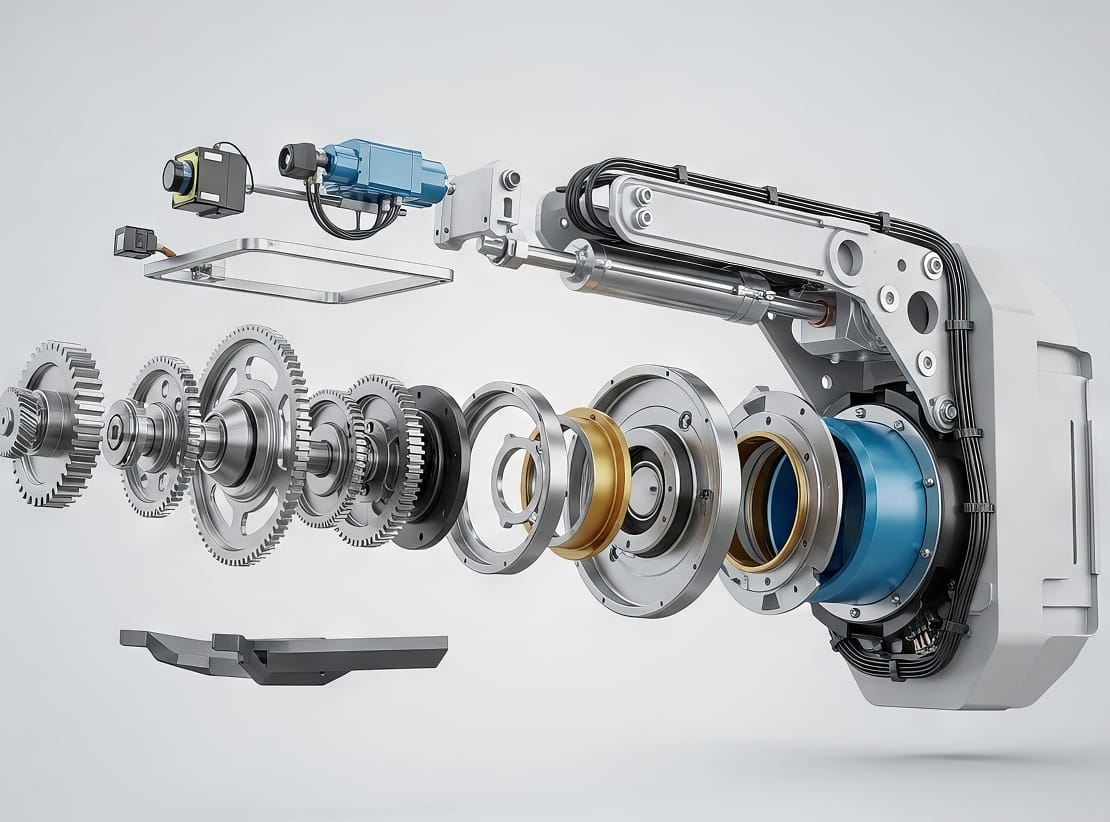
PRISM captures and analyzes the data that matters for assurance: safety margins, policy evaluations, predicted violations, VIGIL interventions, and recovery actions.
Engineering, safety, and operations teams get a clear account of how the system behaved, why an intervention occurred, and how the assurance mechanism performed.
Across multiple missions and platforms, PRISM surfaces recurring behaviors and emerging risks to show where the autonomous system and its policies can be improved.
PRISM produces structured assurance evidence to support safety cases, certification, regulatory engagement, and continuous improvement.
Fleet-level safety monitoring included.